
Why Tune-Ups Matter
The average DFW garage door runs 1,500-2,000 cycles per year. A twice-yearly tune-up prevents ~85% of the emergency calls we get — snapped springs, off-track doors, jammed openers — because it catches wear before it becomes failure. Here's the exact 12-point checklist we run.
1. Visual Frame Inspection
Walk the outside of the door with the door closed. Check for: cracked panels, dented sections, split wood on trim, and gaps between door and jamb. Photograph anything questionable for future comparison.
2. Balance Test (Manual Lift)
Pull the red emergency release. Manually lift the door halfway. A properly balanced door should stay put at half-height. If it drifts down, the springs are weakening (add 1 quarter-turn of tension per side). If it flies up, springs are over-tensioned (remove tension). Balance test flags spring failure 3-6 months out.
3. Torsion Spring Inspection
Springs above the door: look for gaps between coils (a wound spring has coils touching), rust flakes on the shaft below, and any 2-inch gap that indicates a break. Count spring turns for reference — typical 7-foot doors run 7.5 turns per spring.
4. Cable Inspection
Both cables should be tightly wound on the drums at the top, with no frayed strands (a single frayed wire means replacement soon). Check the S-hook at the bottom bracket — it should be seated squarely with no rotation.
5. Roller Inspection
Roll each roller by hand — it should spin smoothly. Grinding, flat spots, or bent stems = replace. Nylon rollers with sealed bearings last 12-15 years; steel rollers last 5-7. If your door is loud, worn rollers are almost always the cause.
6. Hinge Check
Each hinge should be tight and square. Wiggle each section: excessive lateral play means a loose hinge (retighten lag bolts) or a cracked hinge plate (replace). Hinges are numbered 1-4 for position — use the same number when replacing.
7. Track Alignment
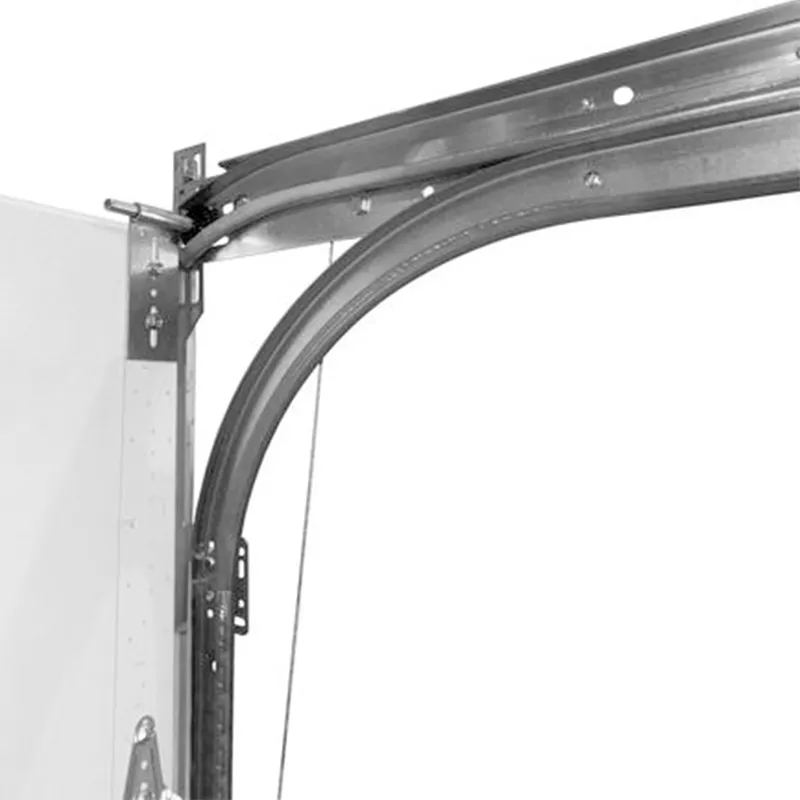
Sight down each vertical track. It should be plumb and parallel to the other side (16-18 inches apart depending on door width). Loose track brackets can be re-shimmed; bent tracks need straightening or replacement.
8. Safety Sensor Alignment & Test
Both sensor LEDs should glow steady green. Wipe both lenses. Then test the safety eye: with the door closing, wave a broom through the beam. Door must reverse immediately. If it doesn't, do not use the door until fixed.
9. Auto-Reverse Force Test
Place a 2x4 flat on the floor centered under the door. Close the door. When it hits the wood, it should reverse within 2 seconds. If it doesn't, the down-force is set too high — adjust down until reverse triggers.
10. Weatherstrip Check
Bottom seal: pinch it between fingers — brittle or cracked = replace ($22-$40 for a 16-ft strip). Side and top seals: check for gaps of daylight. In DFW summer, torn seals can add $30-$60/month to your AC bill.
11. Lubrication
Use white lithium grease (NEVER WD-40, which strips lube). Spray: torsion spring coils, roller bearings (not the plastic wheel), hinge pivots, top of the track. Skip: the track surface itself, the chain (drive-specific lube if needed).
12. Opener Function Test
Test remote, wall button, keypad, and app (if applicable). Verify the courtesy light works. Verify the manual disconnect releases and re-engages smoothly. On chain-drive openers, check chain tension — should have about 1/2 inch of sag mid-span.
How Often?
Do this checklist twice a year — once in spring before Texas heat, once in fall before storm season. Plan on 45-60 minutes for a thorough job. If you'd rather skip it, a full DFW garage door tune-up typically runs $259–$399 — ask about our current tune-up promotion when you schedule.